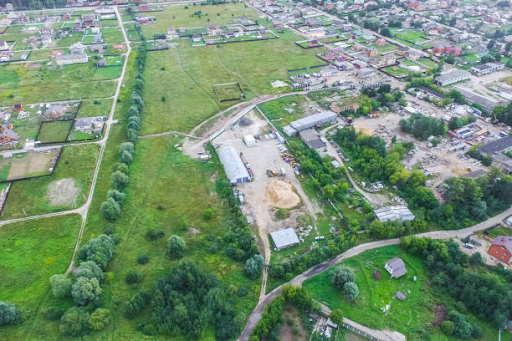
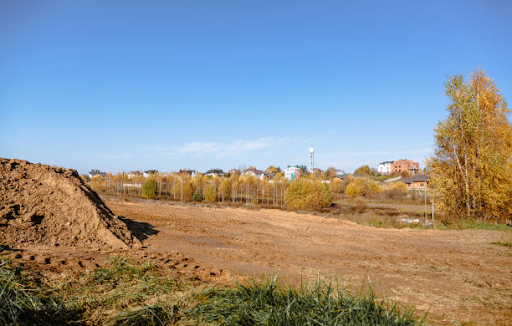
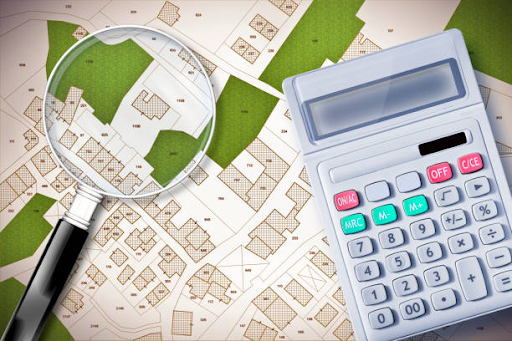
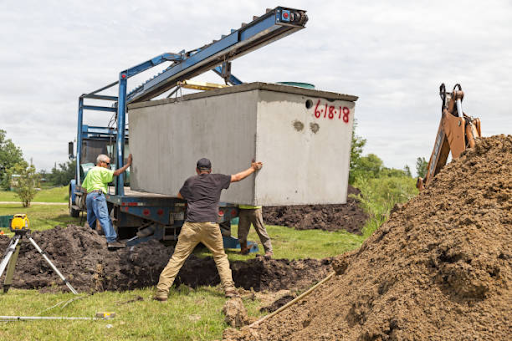
Preparing vacant land for future development is a comprehensive, multi-disciplinary process that transforms raw, uncultivated terrain into an engineered, shovel-ready site capable of supporting commercial, industrial, or residential construction. While real estate acquisitions often center on location, purchase price, and long-term submarket demographics, the financial feasibility of a development project…
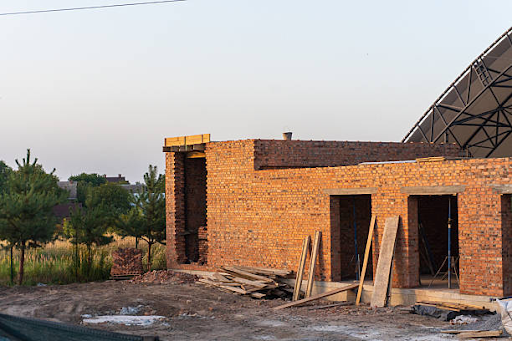
Evaluating commercial land investment opportunities requires a rigorous, systematic methodology that bridges financial modeling, market analysis, legal due diligence, and site engineering. Unlike improved real estate, raw commercial land generates little to no immediate cash flow while accruing holding costs such as real estate taxes, insurance, and financing interest. Consequently,…
Commercial zoning represents one of the most powerful regulatory mechanisms influencing land utility, physical site design, financial feasibility, and long-term asset value in real estate development. In urban planning and property law, commercial zoning defines the legal parameters within which private land may be developed for business activities, retail operations,…
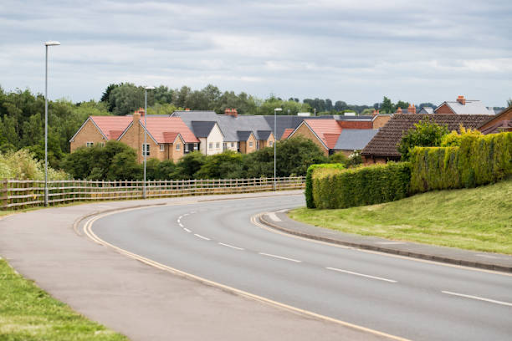
Road frontage represents one of the most fundamental structural characteristics influencing the usability, buildability, commercial potential, and overall valuation of real estate. In real estate terminology, road frontage refers to the exact linear distance where a private parcel meets a publicly maintained road, highway, or dedicated right-of-way. Whether evaluating raw…
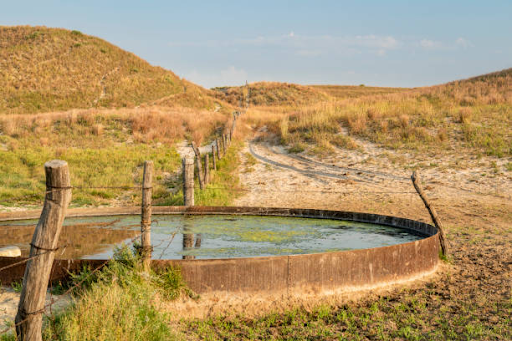
Securing a reliable, high-quality water supply represents one of the most vital technical prerequisites when evaluating vacant land for purchase. Whether acquiring raw acreage for a single-family home, a multi-lot residential subdivision, an agricultural venture, or a commercial enterprise, water availability directly controls property buildability, zoning options, development costs, and…
Acquiring raw real estate represents one of the most fundamental wealth-creation strategies in property investment. However, unimproved land is not a monolithic asset class. The fundamental classification of a parcel as either residential or commercial dictates every downstream aspect of its life cycle, from acquisition financing and environmental due diligence…
Evaluating whether a vacant parcel of raw land is ready for development is one of the most critical steps in real estate acquisition, site selection, and land entitlement. Unimproved property often carries an illusion of simplicity: open terrain, scenic natural topography, and clear physical space. However, physical appearance rarely indicates…
Acquiring raw, unimproved land often presents an enticing financial opportunity for real estate developers, homebuilders, and commercial investors. The purchase price of undeveloped acreage frequently appears lower per square foot than built property, leading buyers to overestimate potential profit margins. However, the initial land purchase price represents only a fraction…
Acquiring undeveloped land offers exceptional potential for real estate developers, custom homebuilders, and long-term land investors. The visual appeal of raw acreage, such as open fields, mature timber, and rolling hills, often creates a compelling first impression. However, visual aesthetics do not guarantee property functionality or buildability. One of the…
Evaluating wastewater infrastructure is one of the most critical aspects of purchasing residential real estate, commercial property, or vacant land. Every built structure requires a dependable mechanism to collect, treat, and dispose of domestic wastewater safely. In the real estate marketplace, wastewater disposal falls into two distinct functional categories: centralized…