
Road frontage represents one of the most fundamental structural characteristics influencing the usability, buildability, commercial potential, and overall valuation of real estate. In real estate terminology, road frontage refers to the exact linear distance where a private parcel meets a publicly maintained road, highway, or dedicated right-of-way. Whether evaluating raw agricultural acreage, suburban residential lots, or prime commercial corridors, the extent and quality of a property’s road frontage dictate how the land can be accessed, developed, subdivided, and monetized.
While many land buyers focus primarily on total acreage or interior square footage, experienced real estate investors, appraisers, civil engineers, and land developers recognize that road frontage often determines a property’s highest and best use. Generous, high-quality road frontage provides optimal physical visibility, straightforward vehicular access, flexible utility connection points, and lucrative subdivision potential. Conversely, insufficient, poor-quality, or severely restricted road frontage can severely compromise a parcel’s marketability, create complex legal easement dependencies, restrict municipal building permits, and lead to steep valuation discounts. Understanding how road frontage interacts with zoning codes, traffic counts, access rights, and site engineering allows property buyers and investors to conduct thorough due diligence and make informed financial decisions.
The Core Functional Mechanics of Road Frontage
To evaluate property buildability and overall market valuation, real estate buyers must understand how physical road frontage functions from legal, structural, and municipal engineering perspectives.
Road frontage serves as the primary legal gateway connecting a private real estate asset to public transportation networks and municipal utility corridors. From a legal standpoint, property frontage provides the basis for direct vehicular ingress and egress, ensuring that property owners, visitors, emergency service vehicles, and delivery fleets can access the site without crossing neighboring private lands. Municipal planning boards, county engineering departments, and state departments of transportation carefully regulate road frontage through local zoning bylaws, minimum frontage mandates, and strict driveway encroachment rules designed to preserve public safety and traffic flow.
Frontage Functional Linkage: Public Roadway -> Municipal Right-of-Way -> Encroachment Permit -> Property Entrance -> Building Envelope
Beyond physical vehicular access, road frontage functions as the primary corridor for installing essential municipal utilities. Public water mains, sanitary sewer lines, natural gas pipes, electrical distribution lines, fiber-optic telecommunications cables, and storm water drainage networks are typically routed along public road rights-of-way. When a parcel possesses adequate road frontage along a public street, connecting to these centralized utilities is straightforward and cost-effective. In contrast, land lacking direct frontage often requires negotiating costly private utility easements across adjoining properties or funding expensive off-site infrastructure extensions.
Utility Access Infrastructure: Street Utility Main -> Frontage Connection Point -> On-Site Service Lines -> Primary Structure
Frontage Metrics and Valuation Profiles Across Real Estate Sectors
The financial value derived from road frontage varies dramatically depending on whether the property is zoned for commercial, residential, or agricultural and industrial use.
In commercial real estate, road frontage operates as a direct driver of business revenue, customer acquisition, and tenant demand. Commercial properties situated along high-traffic arterial roadways, major highways, and busy signalized intersections command substantial price premiums because frontage equates to physical advertising visibility and customer convenience. Retail developers, quick-service restaurant chains, gas stations, and automotive dealerships calculate lease rates and acquisition prices based on front-foot metrics rather than simple square footage. High-visibility commercial frontage increases impulse customer traffic, enhances brand recognition, and allows for prominent, high-impact signage that drives daily sales volume.
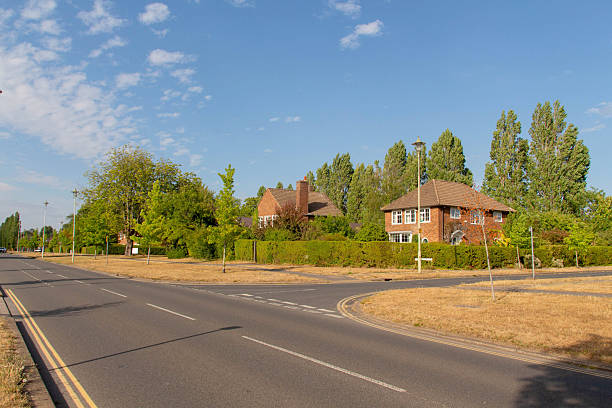
In residential real estate, the relationship between road frontage and property value follows a more nuanced pattern where balance is key. Adequate residential frontage ensures sufficient space for driveways, garage entryways, curb appeal landscaping, off-street parking, and proper physical separation between neighboring homes. However, excessive residential road frontage along high-speed, heavily trafficked thoroughfares can actually diminish property value due to heightened traffic noise, dust, diesel exhaust, safety concerns for children and pets, and reduced backyard privacy. Residential buyers typically prefer generous frontage along quiet suburban cul-de-sacs or low-density country roads over frontage along busy commercial corridors.
Comparative Analysis of Frontage Characteristics and Market Impacts
Evaluating how different physical frontage configurations influence property usability, market appeal, and overall valuation provides essential context for real estate buyers:
| Frontage Category | Typical Physical Characteristics | Key Real Estate Advantages | Primary Valuation and Operational Risks |
| High-Traffic Commercial Frontage | Located along major highways, arterial roads, or signalized intersections | Maximum brand visibility, high impulse retail traffic, premium lease rates | Elevated noise, complex state DOT curb-cut rules, higher property taxes |
| Suburban Residential Cul-de-Sac | Curved, pie-shaped lot with narrow street frontage expanding in the rear | Exceptional privacy, minimal vehicle traffic, safe environment for families | Limited street parking, narrow driveway access, potential utility pinch points |
| Rural Acreage Linear Frontage | Extensive continuous linear footage along county or town roads | Outstanding subdivision potential, multiple access points, privacy buffers | High perimeter fencing costs, extensive maintenance, potential tax assessments |
| Flag Lot / Landlocked Access | Very narrow drive aisle corridor connecting a rear land parcel to the road | Lower initial purchase price, isolated privacy away from street noise | Difficult utility runs, severe resale restrictions, emergency access issues |
Understanding these distinct frontage profiles enables real estate investors to match property physical characteristics with their intended development strategy.
Zoning Regulations, Minimum Frontage Rules, and Subdivision Potential
Local zoning bylaws and municipal land-use regulations dictate how road frontage controls land development, lot density, and property buildability.
Municipal zoning codes establish strict minimum frontage requirements for every designated land-use district within a municipality. For example, a single-family residential zone might mandate a minimum of 100 linear feet of road frontage along an approved public street before a building permit can be issued for a primary dwelling. If an existing lot possesses only 80 feet of frontage in a zone requiring 100 feet, the parcel is classified as non-conforming, which may require obtaining a zoning variance from the local board of adjustment before any new construction or major building renovation can proceed.
Subdivision Feasibility = Total Usable Linear Frontage / Minimum Required Frontage Per Lot
Road frontage is also the single most critical factor determining the subdivision potential of large land parcels. A 20-acre tract with 1,000 linear feet of road frontage along a public highway can easily be divided into multiple smaller residential or commercial lots, each satisfying local minimum frontage rules without requiring the developer to construct expensive new internal public roads. Conversely, a 20-acre parcel with only 50 linear feet of road frontage cannot be divided into standard frontage-compliant lots without building a dedicated interior municipal street, complete with curb, gutter, drainage, and public utility extensions, which significantly reduces the developer’s net profit margin.
Physical Access Quality, Topography, and Encroachment Permitting
Having legal frontage along a road map does not automatically guarantee high-quality physical or legal access to the property. Land buyers must carefully evaluate the physical terrain and regulatory status of the road itself.
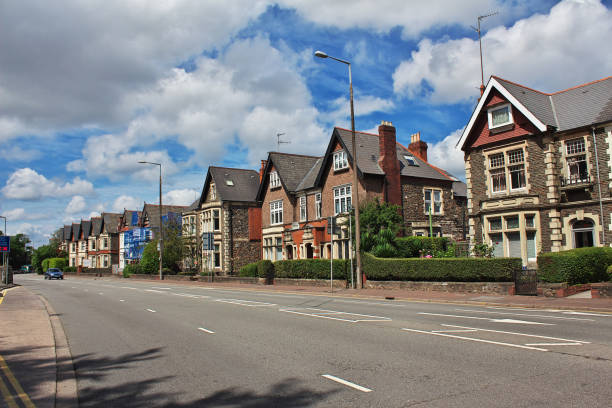
The physical quality and maintenance classification of the fronting road heavily influence property value and daily usability. Properties fronting fully paved, municipally maintained public roads with curb, gutter, and underground storm drainage command the highest market values because the town or city handles snow removal, surface repaving, and routine road repairs. Conversely, parcels fronting unpaved gravel roads, seasonal unmaintained dirt tracks, or private roads maintained through informal neighbor agreements carry lower market valuations. Private roads often present ongoing maintenance disputes, require formal road maintenance agreements for mortgage approval, and create financing hurdles for prospective home buyers.
Access Evaluation = Road Maintenance Status + Physical Terrain Slope + State DOT Curb-Cut Approval
Topography along the frontage line can also create major engineering hurdles that erode property value. Steep roadside embankments, deep drainage ditches, rock ledges, wetlands, or severe elevation drops can make constructing a safe, usable driveway cost-prohibitive. Furthermore, property owners must secure driveway encroachment permits from municipal public works departments or state departments of transportation before cutting a driveway entrance. Transportation authorities enforce strict sight-distance safety guidelines, requiring clear visibility in both directions based on posted road speeds. If roadside topography or sharp road curves impair required sight lines, highway officials may deny the driveway permit, effectively rendering the parcel unbuildable.
Technical Diagnostic Matrix for Road Frontage Evaluation
Evaluating road frontage risks during site due diligence protects real estate buyers against hidden liabilities and unbudgeted engineering expenses. The table below outlines critical frontage warning indicators, underlying causes, and essential verification steps:
| Frontage Warning Indicator | Underlying Risk Factor | Recommended Due Diligence Verification Action |
| Narrow Frontage Width | Inability to meet local minimum zoning rules for a building permit | Audit municipal zoning bylaws and request a formal zoning compliance letter |
| Sharp Road Curve at Entrance | Inadequate sight distance causing driveway encroachment permit denial | Retain a civil engineer to perform a formal sight-distance safety evaluation |
| Unpaved or Seasonal Road | High private maintenance costs and potential mortgage financing denial | Review public road maintenance maps and verify formal road maintenance agreements |
| Deep Roadside Drainage Ditch | High driveway construction costs requiring heavy-duty culvert installation | Consult a licensed site contractor to estimate culvert and earthwork expenses |
Executing these field diagnostic checks safeguards real estate investors against buying parcels with compromised access or hidden development barriers.
Landlocked Parcels, Flag Lots, and Legal Easement Vulnerabilities
Properties that lack sufficient direct road frontage present unique legal, operational, and valuation challenges that require specialized due diligence.
A landlocked parcel is a piece of property that is entirely surrounded by land owned by other private entities, with zero direct physical contact with a public road right-of-way. Landlocked properties suffer severe market valuation discounts, often selling for 30% to 60% less than comparable parcels with standard public road frontage. To gain physical access, a landlocked owner must secure a formal ingress and egress easement across a neighboring parcel or file a legal action in court to claim an easement by necessity. Negotiating, purchasing, and legally recording access easements can lead to costly legal disputes, strained neighbor relations, and long-term clouding of property titles.
Landlocked Legal Access Pathway: Negotiated Purchase -> Deed Recording -> Title Insurance Endorsement -> Court Action
Flag lots, also known as panhandle lots, represent an alternative development layout designed to access interior land behind front-row properties. A flag lot consists of a narrow strip of land (the flag pole) that extends from the public road back to a larger, wider building envelope located behind adjacent homes (the flag). While flag lots provide direct ownership of a driveway corridor and fulfill technical frontage requirements in some zoning jurisdictions, they carry specific drawbacks. The long driveway corridor increases asphalt paving costs, expands utility trenching expenses, reduces overall street visibility, and can complicate snow removal and emergency vehicle maneuvering during severe weather.
Step-by-Step Road Frontage Due Diligence Protocol for Property Buyers
Adhering to a structured due diligence protocol enables land buyers and real estate developers to systematically analyze frontage risks, verify access rights, and protect investment capital:
- Verify Physical and Legal Frontage Boundaries: Audit professional boundary surveys, tax maps, and recorded deeds to confirm the exact linear frontage footage and verify property line locations along the road right-of-way.
- Review Local Municipal Zoning and Subdivision Codes: Examine municipal zoning bylaws to confirm minimum frontage requirements for single-family homes, commercial structures, or future land subdivision projects.
- Confirm Road Ownership and Maintenance Classifications: Contact local public works departments or state highway administration offices to confirm whether the fronting road is a publicly maintained street, a county highway, or a private road.
- Inspect Physical Topography and Sight-Distance Lines: Perform an on-site field inspection to evaluate roadside slope, drainage structures, rock outcroppings, and sight-distance visibility along the proposed driveway entrance location.
- Apply for Preliminary Driveway Encroachment Approvals: Submit preliminary driveway access plans to the local highway department or state department of transportation to confirm curb-cut feasibility before closing the purchase contract.
- Evaluate Municipal Utility Availability Along the Corridor: Verify the presence and exact capacity of underground water mains, sanitary sewer lines, natural gas pipes, electric power lines, and fiber-optic cables running through the frontage right-of-way.
- Calculate Total Infrastructure Development Costs: Incorporate driveway construction expenses, culvert installations, sight-line clearing, utility trenching runs, and highway permit fees into your overall financial acquisition model.
Following this sequential due diligence protocol protects earnest money deposits and confirms complete site feasibility before finalizing a real estate acquisition.
Assembling Your Professional Real Estate Due Diligence Team
Navigating the legal, engineering, and regulatory complexities associated with property road frontage requires assembling a qualified team of local real estate professionals.
Your due diligence advisory team should be led by an experienced real estate attorney and a licensed professional land surveyor. The real estate attorney examines title commitments, audits recorded access easements, checks public road dedication records, and drafts protective purchase contract contingencies. The professional land surveyor conducts detailed boundary surveys, marks physical property lines, measures exact linear frontage footage, maps existing utility rights-of-way, and identifies physical encroachments along the public street corridor.
Additional essential technical specialists include licensed civil engineers, site contractors, local real estate appraisers, and municipal planning consultants. Civil engineers design driveway encroachment plans, evaluate sight-distance safety vectors, calculate utility extension slopes, and represent projects before municipal planning boards. Site contractors provide accurate estimates for earthwork, drainage culvert installations, and driveway paving. Working alongside experienced local experts ensures your real estate investment remains legally secure, physically accessible, and commercially viable.
Conclusion
Understanding how road frontage affects property value is essential for making smart real estate investments. Road frontage serves as the critical link connecting private real estate to public transportation networks, customer traffic corridors, and essential municipal utilities. High-quality commercial frontage drives business revenue and tenant demand, while balanced residential frontage provides curb appeal, driveway access, and essential privacy. Conversely, inadequate, poorly graded, or severely restricted frontage can compromise property buildability, trigger expensive legal easement disputes, restrict municipal development permits, and lead to significant market valuation discounts. By executing a disciplined due diligence process, auditing local zoning codes, verifying public road maintenance status, securing driveway encroachment permits, and partnering with experienced local land surveyors, civil engineers, and attorneys, real estate buyers can evaluate road frontage opportunities with complete confidence and protect their long-term property investments.
Frequently Asked Questions
What is the definition of road frontage in real estate?
Road frontage refers to the exact linear distance where a private property boundary meets a publicly or privately maintained road, highway, or dedicated right-of-way. It defines the physical width of the property that directly faces and accesses the street corridor.
How does road frontage affect land subdivision potential?
Local zoning codes require each newly created lot in a subdivision to possess a minimum amount of linear road frontage along an approved public street. Parcels with extensive continuous frontage can be easily subdivided into multiple compliant lots without constructing expensive new internal public roads.
What is the difference between a flag lot and a landlocked parcel?
A flag lot possesses a narrow strip of land that extends from a public road back to a larger building area behind neighboring homes, providing direct owned access. A landlocked parcel has zero physical contact with a public road and relies entirely on crossing neighboring private lands via legal easements.
Can a property owner be denied a driveway permit on their own frontage?
Yes. State departments of transportation and municipal public works agencies can deny driveway encroachment permits if the proposed entrance location lacks adequate sight-distance visibility, sits too close to a dangerous intersection, or presents severe traffic safety hazards.
Does more road frontage always increase residential property value?
Not necessarily. While adequate frontage is necessary for driveway access and curb appeal, excessive frontage along a high-speed, heavily trafficked commercial highway can reduce residential land value due to elevated noise pollution, diesel fumes, safety concerns, and reduced backyard privacy.