
Vacant land represents one of the most versatile asset classes in real estate, offering investors a wide spectrum of paths toward long-term wealth accumulation. However, assuming that all raw dirt behaves identically under market pressure is a costly mistake. Residential land and recreational land operate on vastly different economic fundamentals, serve entirely distinct end-users, and carry contrasting holding costs, risk profiles, and appreciation dynamics. A plot of residential land positioned near a booming metropolitan suburb reacts to housing demand, interest rates, and municipal utility expansions. Conversely, a tract of recreational land situated in a mountain valley or heavily forested rural county derives its value from natural amenities, timber yield, hunting utility, and personal leisure demand.
For real estate investors, deciding between residential and recreational land requires a clear understanding of how each property category generates financial returns and fits into a broader investment strategy. While residential land offers the potential for rapid, high-margin capital gains driven by urban sprawl and housing developments, it also carries higher acquisition prices, complex entitlement processes, and elevated property tax burdens. Recreational land provides a lower cost of entry, physical utility during the holding period, and lower ongoing tax assessments, but it typically appreciates at a slower rate and can suffer from extended illiquidity during broader economic downturns. Evaluating these two land asset classes side by side helps you align your capital reserves, risk tolerance, and investment timeline with the right strategy.
Defining Residential Land Investments
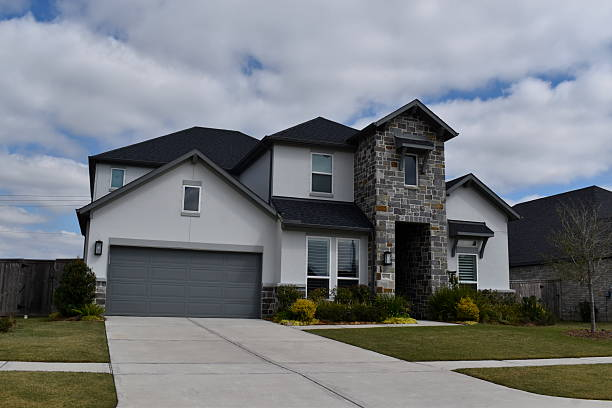
Residential land encompasses raw acreage or unimproved lots designated primarily for housing construction, ranging from single-family home sites to large master-planned residential subdivisions and multi-family apartment communities.
The valuation of residential land is inextricably linked to regional population growth, local employment statistics, school district performance, and proximity to urban centers. Investors acquiring residential land typically target properties positioned directly in the path of growth, where suburban expansion will eventually push demand toward their parcel. The primary objective is to acquire wholesale acreage, hold the property while surrounding civil infrastructure expands, and sell the land at a premium to homebuilders, residential developers, or individual custom home buyers.
Residential land is further categorized into two main types: suburban edge acreage and urban infill lots. Edge acreage involves large tracts of farmland or raw woods sitting just beyond existing housing developments, requiring utility extensions and municipal rezoning to reach buildable status. Urban infill lots consist of smaller, vacant parcels located within established neighborhoods, featuring existing street access and utility connections. Both types benefit from high baseline housing demand, but navigating strict local municipal zoning laws, architectural review boards, and public planning hearings represents a major component of the investment process.
Defining Recreational Land Investments
Recreational land consists of rural acreage acquired primarily for leisure activities, natural resource management, conservation, or personal enjoyment rather than dense structural development. Common uses for recreational land include hunting, fishing, camping, off-road vehicle riding, timber production, and off-grid cabin retreats.
Unlike residential land, which relies heavily on municipal utility infrastructure and commuter access, recreational land value is driven by natural physical features. Topography, mature timber stands, natural water sources like rivers, lakes, or ponds, wildlife populations, and scenic mountain views dictate the market price of recreational acreage. Buyers in this market segment are typically end-users seeking personal enjoyment, high-net-worth individuals building family legacy retreats, timber management funds, or outdoor sports enthusiasts.
Recreational land is almost universally situated outside major metropolitan growth boundaries, often in rural or semi-remote counties. Because the primary intent is not dense subdivision or commercial buildout, these properties require minimal civil engineering or municipal entitlements. Investors holding recreational land often enjoy lower acquisition costs per acre, minimal ongoing management stress, and lower annual carrying costs, while maintaining the flexibility to use the land personally or generate interim income through seasonal leases.
Comparative Analysis of Residential and Recreational Land Parameters
Evaluating residential and recreational land across key financial and operational parameters highlights the core differences between these two asset classes. The table below details how entry barriers, holding costs, appreciation drivers, and liquidity profiles compare:
| Investment Parameter | Residential Land Classifications | Recreational Land Classifications |
| Primary Value Engine | Population growth, housing demand, proximity to jobs | Natural amenities, views, water rights, wildlife |
| Typical Purchase Price | High to extremely high cost per acre or square foot | Low to moderate cost per acre |
| Average Holding Horizon | Short to medium-term; 3 to 10 years | Medium to long-term; 7 to 20+ years |
| Annual Property Tax Load | High; assessed at or near development market value | Very low; eligible for timber or farm tax status |
| Infrastructure Reliance | Critical; requires water, sewer, power, and paved roads | Minimal; off-grid, gravel roads, septic, wells |
| Asset Liquidity Level | High during housing booms; low during recessions | Moderate to low; niche buyer pool |
| Interim Utility for Owner | Zero physical utility during holding period | High personal utility; hunting, camping, leisure |
Selecting between these two asset classes depends on whether your primary investment focus is aggressive capital growth through residential development or stable value preservation paired with personal utility.
Financial Dynamics, Capital Appreciation, and Returns
The financial return mechanics of residential and recreational land diverge significantly due to their distinct end-use markets and development requirements.
Residential land offers substantial, forced-appreciation potential. When an investor successfully rezones a residential tract from low-density agricultural use to high-density residential use, the property market value can multiply within a short timeframe. Furthermore, as municipal water mains, electrical lines, and paved thoroughfares expand toward the parcel, the land shifts from speculative raw dirt to finished, buildable inventory. Homebuilders are willing to pay significant premiums for entitled, utility-ready residential lots, allowing investors to capture high profit margins upon sale. However, these returns are tied to the broader housing cycle, meaning high interest rates or economic recessions can freeze residential land sales and extend required holding periods.
Recreational land, by contrast, delivers more steady, moderate capital appreciation that tracks general land inflation, regional wealth accumulation, and raw material demand. While recreational acreage rarely experiences the sudden price spikes seen in residential entitlement projects, it provides exceptional downside protection and wealth preservation. During economic downturns or stock market volatility, high-net-worth buyers frequently move capital into tangible real estate assets like recreational acreage and working timberland. Furthermore, recreational land allows owners to capture periodic income during the holding period without altering the physical character of the dirt.
Infrastructure, Entitlements, and Site Accessibility
The technical and legal requirements for developing residential land contrast sharply with the minimal site preparation needed for recreational properties.
Residential land development requires extensive civil engineering, municipal approvals, and utility connections. To sell land to a professional homebuilder, the parcel must possess verified access to high-capacity public roads, municipal sanitary sewer systems, potable water mains, and electrical grids. If municipal utilities are unavailable, the investor must pay for costly utility main extensions or prove that the soil can support high-density septic drain fields through percolation testing. Additionally, securing residential entitlements involves navigating public hearings, traffic impact assessments, environmental impact reviews, and stormwater management plans. These regulatory hurdles require significant upfront capital and professional expertise.
Recreational land operates under much simpler infrastructure standards. Most recreational buyers do not require municipal sewer or water connections, relying instead on private water wells, rainwater catchment systems, septic tanks, or composting toilets. Access roads are frequently gravel or dirt rights-of-way rather than paved municipal streets. While legal road access remains vital to prevent landlocked status, recreational acreage rarely requires complex municipal zoning approvals or civil engineering studies. The focus remains on preserving the natural terrain, managing wildlife habitats, and maintaining boundary fences.
Comparative Matrix of Risk Factors and Carrying Expenses
Managing annual carrying costs and risk exposure is essential for maintaining positive investment returns throughout multi-year holding periods. The table below outlines the primary risk factors and carrying expense structures for both property types:
| Expense & Risk Variable | Residential Land Considerations | Recreational Land Considerations |
| Property Tax Liabilities | High recurring expense; taxes rise as area grows | Low; mitigated by forestry & wildlife exemptions |
| Regulatory & Zoning Risks | High; downzoning, moratoriums, NIMBY opposition | Low; minimal municipal oversight in rural zones |
| Environmental Liabilities | Soil contamination, wetlands, stormwater runoff | Forest fires, timber pests, flooding, trespassing |
| Carrying Debt Risk | High risk if financed; lack of income during hold | Low to moderate risk; lower total debt requirements |
| Interim Income Mitigation | Equipment storage, temporary parking, billoards | Timber sales, hunting leases, carbon credits |
Understanding these cost structures ensures that ongoing property taxes and insurance premiums do not erode your final investment profits.
Income Generation and Carrying Cost Offsets
Holding raw land requires paying annual property taxes, liability insurance, and maintenance expenses regardless of whether the property generates revenue. Developing interim income streams is a proven method for eliminating out-of-pocket holding stress.
Recreational land excels in its ability to produce consistent interim revenue through resource management and outdoor leases. Wooded recreational tracts can be enrolled in professional forestry management programs, generating periodic lump-sum payouts through selective timber harvesting. Leasing hunting rights to local outdoor clubs or private hunters provides predictable annual income that easily covers annual property tax assessments and liability insurance. Additionally, large recreational parcels located in pristine natural environments can qualify for carbon offset credit sales or solar energy leases, converting passive land into an income-producing asset.
Residential land presents fewer natural interim income opportunities because the property is usually located closer to suburban centers where active agricultural or timber operations are impractical. However, strategic residential land investors utilize alternative short-term monetization models. Residential parcels sitting along busy suburban roads can be leased for billboard advertising, wireless cell tower installations, seasonal product sales, or temporary vehicle and construction equipment storage. While these interim leases produce steady cash flow, residential landowners must ensure that short-term commercial uses do not conflict with future residential rezoning applications.
Step-by-Step Framework for Choosing Between Residential and Recreational Land
To determine whether residential or recreational land fits your investment portfolio, execute a disciplined, step-by-step decision framework before committing capital:
- Audit Your Financial Resources and Liquid Capital: Calculate your total available purchase capital, debt capacity, and ability to cover ongoing annual property taxes without income.
- Define Your Target Investment Timeline: Decide whether you require a short-to-medium-term exit within three to seven years or a long-term holding horizon spanning ten to twenty years.
- Analyze Local Growth Signals and Demographics: Review county master plans, highway expansion maps, and population growth data to identify active suburban growth corridors.
- Evaluate Physical Site Characteristics and Amenities: Inspect soil conditions, topography, road frontage, and utility availability for residential sites, or natural features and timber for recreational sites.
- Verify Legal Access and Title Encumbrances: Confirm recorded legal public road access, review title commitments, and audit existing utility easements across the parcel.
- Implement Carrying Cost Mitigation Tactics: Apply for agricultural or forestry current-use tax classifications and secure interim lease agreements to offset property taxes.
- Formulate a Targeted Exit Strategy: Identify your ultimate target buyer profile, whether a national homebuilder, private developer, timber fund, or recreational end-user.
Following this structured step-by-step framework ensures that your land purchases align with your financial goals and operational capabilities.
Key Risk Profiles and Market Volatility
Both residential and recreational land carry distinct risk profiles that investors must actively evaluate and manage throughout the holding period.
Residential land is highly sensitive to macroeconomic indicators, particularly prevailing interest rates, inflation, and national housing market metrics. When mortgage rates rise, consumer housing affordability declines, causing homebuilders to pause land purchases, freeze new construction projects, and cancel option contracts on residential lots. Because residential land carries high holding costs due to elevated property taxes, holding an illiquid residential parcel during a prolonged housing downturn can create significant financial strain. Additionally, residential land faces regulatory risks, including municipal building moratoriums, impact fee increases, and local neighborhood opposition to high-density housing proposals.
Recreational land carries lower regulatory and market sensitivity risks, but it presents unique physical and location-based risks. Because recreational properties are situated in rural areas, physical hazards such as forest fires, soil erosion, timber disease outbreaks, and unpermitted trespassing pose continuous operational threats. Property management requires regular site visits, boundary line maintenance, and brush clearing. Furthermore, because the buyer pool for recreational land consists largely of end-users seeking luxury or leisure properties, sales velocity can slow down during broader economic recessions when discretionary consumer spending contracts.
Assembling Your Specialized Due Diligence Team
Navigating the technical details of land acquisition requires assembling a specialized team of real estate, legal, and engineering professionals tailored to your specific land category.
For residential land investments, your due diligence team should include a specialized land broker who understands local path-of-growth trends, price-per-acre metrics, and homebuilder acquisition criteria. Retain a qualified land use attorney to evaluate zoning codes, draft purchase contracts, review title commitments, and represent your interests at municipal planning board hearings. Additionally, partner with civil engineering firms and environmental consultants to evaluate soil percolation, utility connection feasibility, stormwater management requirements, and wetland boundaries under the Clean Water Act.
For recreational land acquisitions, your team should pivot toward natural resource and property boundary specialists. Work with a rural land broker who understands local land values, water rights, and hunting lease markets. Partner with a professional land surveyor to mark property boundaries, identify legal access easements, and resolve potential boundary disputes with neighboring landowners. Finally, retain a certified professional forester to evaluate timber stands, assess forest health, draft sustainable timber management plans, and estimate total standing timber inventory value.
Conclusion
Choosing between residential and recreational land investments depends on matching your personal financial goals, liquid capital reserves, and risk tolerance with the appropriate land asset class. Residential land offers significant capital appreciation potential and shorter development horizons, making it ideal for investors seeking high returns by capitalizing on urban sprawl, housing demand, and municipal entitlements. However, it requires higher entry pricing, complex civil engineering, and substantial annual holding expenses. Recreational land provides a lower entry price, steady wealth preservation, low ongoing carrying costs through timber or agricultural tax status, and immediate personal utility for outdoor leisure. By conducting thorough site due diligence, implementing interim income strategies, and aligning property selections with clear exit profiles, you can build a successful, high-performing land portfolio.
Frequently Asked Questions
Which land type requires a higher initial capital investment?
Residential land almost always requires a higher initial capital investment compared to recreational land. Because residential parcels are located closer to urban centers and existing infrastructure, they command much higher prices per acre or per square foot. Recreational land sits in remote rural zones, resulting in lower acquisition costs per acre.
How do property tax assessments differ between residential and recreational land?
Residential land property taxes are assessed at or near full speculative market value based on potential residential buildout, resulting in higher annual tax bills. Recreational land frequently qualifies for state-sanctioned agricultural, timber, or wildlife conservation current-use tax programs, which reduce annual property tax assessments by seventy to ninety percent.
Can I convert recreational land into residential land in the future?
Yes, recreational land can be converted into residential land if regional urban growth expands toward the parcel over time. However, this conversion requires extending municipal utilities like water and sewer, securing legal public road access, conducting civil engineering studies, and obtaining municipal zoning approvals to allow residential housing density.
What is the most effective way to generate interim income on recreational land?
The most effective ways to generate interim income on recreational land are leasing seasonal hunting rights to local sportsmen, executing professional timber management programs for periodic logging harvests, and enrolling flat acreage in utility-scale solar ground leases or carbon offset credit sales.
Is financing easier to secure for residential land or recreational land?
Financing raw land of any type is generally more difficult than securing a mortgage for a developed property. However, banks may view residential land in a booming suburb as lower risk if it possesses utilities and entitlements. Recreational land often relies on specialized rural lenders, agricultural credit associations, or seller financing arrangements.