
Evaluating environmental hazards is a critical phase of real estate due diligence when buying vacant land or commercial property. While features such as access roads, utility lines, and zoning classifications are obvious factors in determining site usability, hidden environmental issues often exert a much stronger influence on market value, project feasibility, and long-term financial liability. A parcel of land might seem prime for residential or commercial development, but underlying soil pollution, fragile ecosystems, unstable geology, or toxic historical spills can ruin development plans and deplete investment capital.
Navigating environmental issues requires going beyond visual inspections on dry days. Buyers must investigate historical land uses, review state and federal regulatory databases, evaluate underground soil geology, and consult environmental engineering professionals. By understanding how environmental liabilities are established under federal law, how biological and geological constraints limit buildable space, and how site assessments quantify contamination risks, you can protect your investment capital, negotiate realistic purchase prices, and avoid inheriting costly cleanup obligations.
The Legal and Financial Reality of Environmental Liabilities
Before analyzing specific environmental hazards, buyers must grasp the legal framework governing property contamination. Federal and state laws hold landowners strictly accountable for environmental conditions on their real estate, regardless of whether current owners caused the original damage.
Under the Comprehensive Environmental Response, Compensation, and Liability Act, commonly known as CERCLA or the Superfund law, current property owners can be held jointly, severally, and strictly liable for cleanup costs associated with hazardous substance releases. Strict liability means fault is irrelevant. If toxic chemicals are discovered on your land after closing, regulatory agencies can compel you to pay for full environmental remediation, even if the contamination was deposited decades earlier by a previous industrial operator or an off-site commercial neighbor.
The financial consequences of inheriting environmental contamination extend far beyond direct cleanup expenses. Undiscovered pollution can trigger immediate construction stoppages, render land unbankable for commercial mortgage lenders, lower overall market valuations, and expose property owners to toxic tort lawsuits from neighboring landowners whose groundwater supplies become impacted. Establishing legal liability protections prior to closing is essential for any real estate transaction.
Soil and Groundwater Contamination Hazards
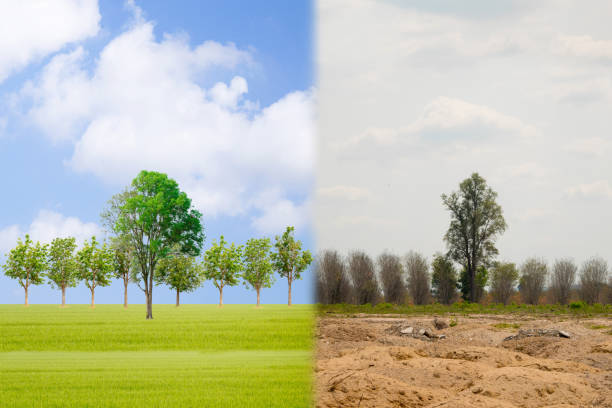
Soil and groundwater pollution represent some of the most complex and expensive environmental hazards affecting land values. Contamination typically stems from historical industrial activities, improper agricultural chemical applications, leaking underground storage tanks, or illegal waste dumping.
Petroleum hydrocarbons, volatile organic compounds, heavy metals, and persistent agricultural pesticides represent common subterranean pollutants. These toxic substances migrate downward through porous soil layers until reaching local groundwater aquifers. Once present in subterranean water tables, liquid plumes can spread across property boundaries, contaminating drinking water wells and generating hazardous vapor intrusion risks beneath future building foundations.
Remediating contaminated soil and groundwater requires specialized engineering interventions, such as excavating polluted earth, installing groundwater pump-and-treat systems, applying soil vapor extraction technology, or placing permanent impermeable caps over affected areas. Because full site remediation can cost hundreds of thousands or even millions of dollars, discovering unaddressed contamination during due diligence directly reduces property market value by the estimated cost of cleanup.
Comparative Matrix of Soil and Groundwater Contaminants
Different subterranean pollutants require distinct remediation protocols, carry varying regulatory thresholds, and impact overall site buildability in unique ways. The table below compares common land contaminants, their typical historical sources, primary cleanup strategies, and relative impacts on property value:
| Contaminant Category | Historical Source Examples | Typical Remediation Protocols | Valuation and Usability Impact |
| Petroleum Hydrocarbons | Gas stations, fuel storage tanks, auto repair shops | Soil excavation, bio-remediation, vapor extraction | Moderate to severe valuation reduction; requires regulatory closure letters |
| Volatile Organic Compounds | Dry cleaners, metal degreasing sites, industrial plants | Air sparging, dual-phase extraction, vapor barriers | Heavy valuation reduction; presents vapor intrusion risks for indoor air |
| Heavy Metals (Lead, Arsenic) | Smelters, orchards, historical firing ranges | Soil excavation, soil capping, stabilization techniques | Moderate valuation reduction; restricts residential soil use and gardening |
| Polychlorinated Biphenyls | Electrical transformers, industrial scrap yards | Excavation, specialized high-temperature disposal | Severe valuation reduction; strict federal disposal regulations apply |
| Pesticides and Herbicides | Commercial agricultural fields, chemical mixing hubs | Surface soil scraping, soil blending, phytoremediation | Minor to moderate valuation reduction; complicates residential rezoning |
Understanding these contaminant classifications enables buyers to estimate site cleanup expenses accurately and negotiate appropriate price adjustments or seller concessions prior to closing.
Protected Species, Critical Habitats, and Ecosystem Constraints
Environmental issues that impair land value are not limited to chemical pollutants. Biological and ecological conditions protected under federal, state, or municipal conservation laws can restrict land usability just as severely as toxic contamination.
The federal Endangered Species Act protects plant and animal species listed as threatened or endangered, along with their designated critical habitats. If a parcel contains documented populations or suitable breeding habitat for protected species, real estate development activities face severe regulatory oversights. Landowners may be prohibited from clearing trees during specific nesting seasons, grading terrain near active breeding grounds, or altering natural ground cover without securing federal incidental take permits.
Securing environmental permits for projects that affect protected species requires submitting comprehensive habitat conservation plans, conducting multi-season wildlife surveys, and providing compensatory mitigation land. These requirements add significant time delays and direct financial expenses to development schedules. In extreme cases where critical habitat covers an entire parcel, building permits may be denied completely, reducing the land value to its conservation or open-space baseline.
Slope Instability, Karst Geology, and Soil Erosion Hazards
Physical geology and soil mechanics represent another category of environmental hazards that dictate land usability and long-term asset value. Unstable topography, weak soil bearing capacity, and subterranean geological voids can make site engineering prohibitively expensive.
Slope instability and landslide risks occur on steep terrain where soil layers lose shear strength due to water saturation, deforestation, or improper grading cutbanks. Building on landslide-prone slopes requires specialized engineering interventions, such as installing deep concrete caissons, tie-back retaining walls, and extensive subsurface drainage systems. These structural foundation measures can easily add tens of thousands of dollars to overall residential or commercial construction budgets.
Karst topography presents another hidden geological hazard characterized by soluble bedrock, such as limestone, dolomite, or gypsum. Dissolution of subterranean bedrock creates underground caves, solution channels, and sudden sinkholes that can collapse under heavy structural loads or altered stormwater runoff patterns. Developing land in active karst regions requires pre-construction geophysical radar imaging, specialized deep foundation designs, and strict stormwater management controls to prevent catastrophic sinkhole formation.

Comparative Breakdown of Geological and Geotechnical Site Risks
Evaluating physical soil characteristics and bedrock geology helps land buyers anticipate structural foundation expenses and potential site hazards. The table below outlines common geotechnical issues, their natural indicators, necessary engineering solutions, and cost impacts:
| Geological Hazard Type | Natural Physical Indicators | Required Engineering Interventions | Construction and Financial Impact |
| Active Karst Topography | Surface depressions, circular swales, exposed limestone | Geophysical radar surveys, micro-piles, grouting | High financial impact; risks structural failure from sudden sinkholes |
| Expansive Clay Soils | Deep surface soil cracking during dry summer months | Post-tensioned slabs, deep pier foundations | Moderate financial impact; requires specialized foundation engineering |
| Landslide-Prone Slopes | Curved tree trunks, ground hummocks, surface scarps | Retaining walls, soil nails, deep concrete piers | High financial impact; significantly reduces buildable site acreage |
| High Seasonal Water Table | Water pooling in shallow digs, surface mottling | Engineered curtain drains, raised fill pads | Moderate financial impact; complicates basement and septic installation |
| Severe Soil Erosion Risks | Deep gully formation, washouts along slopes | Hydroseeding, retaining terraces, rip-rap channels | Minor to moderate impact; requires permanent erosion control systems |
Identifying these physical land constraints early ensures that structural foundation engineering costs are fully integrated into overall financial feasibility models.
Phase I and Phase II Environmental Site Assessments
To quantify environmental risks and establish legal protections under federal liability laws, real estate buyers utilize standardized professional investigations known as Environmental Site Assessments.
A Phase I Environmental Site Assessment, governed by ASTM E1527 standards, represents the standard for initial environmental due diligence in commercial real estate. A certified environmental professional conducts a comprehensive, non-intrusive investigation that includes reviewing historical aerial photographs, city directories, regulatory database listings, and land title records. The consultant also inspects the site and adjacent properties and interviews present and past property operators. The primary objective of a Phase I study is to identify Recognized Environmental Conditions, commonly referred to as RECs, which indicate the presence or likely presence of hazardous substances or petroleum products on the property.
If a Phase I study uncovers RECs, the consultant will recommend proceeding to a Phase II Environmental Site Assessment. A Phase II investigation is intrusive, involving actual field sampling of soil, groundwater, and soil vapor through drilled soil borings and monitoring wells. Laboratory chemical analyses of these physical samples determine whether contamination exceeds state or federal action levels.
Step-by-Step Framework for Environmental Due Diligence
To ensure comprehensive protection when acquiring land, buyers should follow a systematic, step-by-step environmental evaluation process during their contractual inspection period:
- Review Historical Property Uses: Examine historical land records, fire insurance maps, and aerial photographs to identify past high-risk activities such as gas stations, dry cleaners, or industrial facilities on or near the site.
- Commission a Phase I Environmental Site Assessment: Hire a qualified environmental professional to perform an ASTM-compliant Phase I study to satisfy CERCLA All Appropriate Inquiries requirements.
- Execute Intrusive Phase II Testing if Warranted: If RECs are flagged in the Phase I report, collect soil, groundwater, and soil gas samples to confirm whether chemical contamination exists.
- Order Biological and Geological Field Surveys: Perform habitat assessments for protected wildlife and order geotechnical soil borings to check for expansive clays, high water tables, or karst conditions.
- Factor Remediation Costs into Purchase Contracts: If environmental issues are verified, use formal cleanup cost estimates to negotiate purchase price reductions, demand seller-funded remediation, or terminate the contract.
Adhering to this structured step-by-step framework minimizes liability exposures and ensures informed decision-making before capital is committed.
Brownfield Incentives, Regulatory Standards, and Liability Protections
While environmental contamination reduces land values, it can also create unique real estate investment opportunities through federal and state brownfield redevelopment programs.
A brownfield is defined as a property where expansion, redevelopment, or reuse may be complicated by the presence or potential presence of a hazardous substance, pollutant, or contaminant. To encourage re-use of these sites, state and federal agencies offer tax credits, cleanup grants, low-interest loans, and liability protections for prospective buyers who agree to remediate contaminated properties.
By completing All Appropriate Inquiries through a compliant Phase I Environmental Site Assessment prior to acquisition, innocent buyers can qualify for statutory defenses under CERCLA, such as the Bona Fide Prospective Purchaser exemption. This legal protection shields new landowners from federal cleanup liability for pre-existing contamination, provided they exercise due care regarding existing hazardous substances and do not exacerbate environmental conditions. Additionally, enrolling properties in Voluntary Cleanup Programs managed by state environmental departments allows developers to secure formal No Further Action letters once remediation goals are satisfied, restoring market value and lending feasibility to previously impacted parcels.
Assembling an Environmental Due Diligence Team
Successfully evaluating complex environmental conditions requires building a multidisciplinary team of experienced technical and legal professionals. Relying solely on seller disclosures or general real estate agents is insufficient when evaluating hidden environmental liabilities.
Your due diligence team should center on a licensed Environmental Professional, such as a professional geologist or environmental engineer, who specializes in conducting Phase I and Phase II assessments according to ASTM standards. Complement your team with a certified Geotechnical Engineer to assess physical soil strength and subterranean bedrock conditions through test borings and laboratory soil testing.
Additionally, retain a knowledgeable real estate attorney who specializes in environmental law. An environmental attorney helps interpret technical assessment findings, structures appropriate indemnity clauses in purchase agreements, navigates state Voluntary Cleanup Programs, and ensures that all pre-closing activities meet statutory standards necessary to preserve CERCLA prospective purchaser liability protections.
Conclusion
Environmental issues represent a critical factor in determining vacant land utility, buildability, and market valuation. From hidden subterranean soil pollution and migrating groundwater plumes to fragile species habitats, steep slope instabilities, and sinkhole-prone karst geology, natural and man-made site conditions directly dictate development potential. By prioritizing rigorous due diligence, executing professional Phase I and Phase II site assessments, understanding statutory liability protections, and consulting qualified technical experts, land buyers can successfully navigate environmental risks. Taking a proactive, science-based approach ensures that you protect your capital, avoid inherited cleanup liabilities, and acquire real estate that reliably supports your long-term building goals.
Frequently Asked Questions
What is a Recognized Environmental Condition during a Phase I assessment?
A Recognized Environmental Condition, or REC, is an official finding in a Phase I study indicating the presence or likely presence of hazardous substances or petroleum products on a property under conditions that indicate an existing release, a past release, or a material threat of a future release into the environment.
How does a Phase I site assessment differ from a Phase II assessment?
A Phase I assessment is a non-intrusive research investigation consisting of historical record reviews, visual site inspections, and interviews. A Phase II assessment is an intrusive field investigation that involves drilling soil borings and collecting physical samples of soil, groundwater, or soil gas for laboratory testing to confirm contamination.
Can a buyer be held responsible for environmental pollution caused by a previous owner?
Yes, under CERCLA strict liability provisions, current owners can be held legally responsible for cleaning up pre-existing environmental contamination on their land, even if they did not cause the pollution. Buyers must conduct All Appropriate Inquiries prior to purchase to qualify for prospective purchaser liability protections.
What is a Bona Fide Prospective Purchaser exemption?
The Bona Fide Prospective Purchaser exemption is a statutory legal defense under CERCLA that protects new property buyers from federal cleanup liability for pre-existing site contamination. To qualify, the buyer must perform an ASTM-compliant Phase I study prior to acquisition, have no affiliation with responsible parties, and exercise due care regarding hazardous substances.
How does karst topography impact land development and foundation design?
Karst topography features soluble bedrock like limestone that dissolves over time, creating subterranean caves and sinkholes. Developing land in karst regions requires pre-construction geophysical surveys, specialized foundation systems such as deep micro-piles, and strict stormwater management controls to prevent sudden ground collapses.