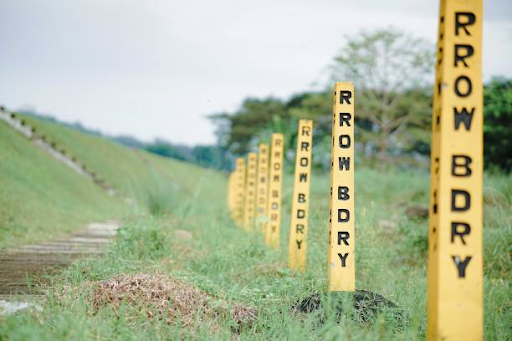
Investing in vacant land represents one of the most foundational, yet widely misunderstood, wealth-building strategies in real estate. Unlike residential single-family homes or commercial multi-tenant buildings that produce immediate monthly rental yields, raw acreage is fundamentally a speculative capital appreciation asset. Land investors acquire physical property with the strategic expectation…
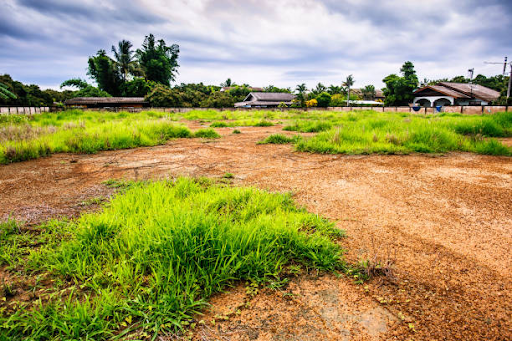
Verifying legal access is one of the most critical steps when purchasing real estate, particularly vacant land, rural acreage, or undeveloped lots. Physical access, such as a visible dirt road, established tire tracks, or an existing gravel driveway, does not guarantee legal access. A buyer can easily assume a property…
Understanding property easements is one of the most vital aspects of due diligence when purchasing vacant land or residential real estate. An easement represents a non-possessory legal right that allows one party to use a specific portion of land owned by another party for a clearly defined purpose. While you…
Establishing exact property boundaries is the foundational step of responsible real estate ownership and land development. Whether you are purchasing raw acreage to build a primary residence, installing a boundary fence, or managing timber land, knowing where your legal ownership begins and ends protects your financial investment. Many land buyers…