
Acquiring raw real estate represents one of the most fundamental wealth-creation strategies in property investment. However, unimproved land is not a monolithic asset class. The fundamental classification of a parcel as either residential or commercial dictates every downstream aspect of its life cycle, from acquisition financing and environmental due diligence to local municipal entitlement procedures, infrastructure investment, and ultimate return on capital. Understanding the structural differences between residential and commercial land is vital for individual real estate investors, private developers, family offices, and corporate entities seeking to optimize capital allocation and minimize exposure to development risk.
While both land categories derive their fundamental value from physical location, topography, and surrounding demographic trends, they operate within distinctly different economic frameworks, regulatory structures, and market dynamics. Residential land development centers primarily on creating living space, community character, and long-term neighborhood stability. Conversely, commercial land development is driven almost exclusively by income generation, consumer access, logistics, and business operations. Navigating the legal, environmental, financial, and operational differences between these two land types ensures that prospective buyers conduct effective technical evaluations, negotiate favorable contract terms, and align land acquisitions with their broader financial objectives.
Defining Land Classifications and Master Planning Frameworks
The core distinction between residential and commercial land originates in municipal planning departments and land-use regulatory frameworks. Local municipal governments utilize land-use planning tools to segregate incompatible activities, protect public health and safety, manage municipal utility capacities, and direct physical growth according to a long-term Master Plan or Comprehensive Development Plan.
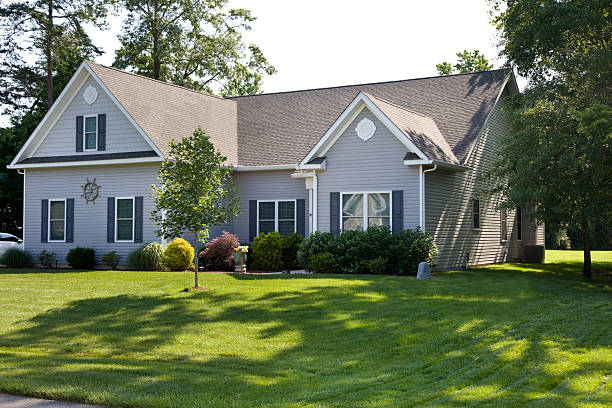
Residential land is legally restricted to housing and supporting community uses. Municipal zoning codes categorize residential parcels into distinct density brackets, ranging from single-family rural agricultural zones and suburban estate lots to medium-density townhouse zones and high-density multi-family apartment districts. The primary objective of residential zoning is preserving quiet enjoyment, limiting vehicle traffic speed, managing neighborhood population density, and protecting home equity. Consequently, residential land regulations prioritize human-scale building footprints, open space buffers, architectural continuity, and local educational infrastructure.
Commercial land is designated specifically for business enterprises, retail trade, professional services, industrial operations, and profit-generating activities. Commercial zoning districts encompass a broad spectrum of uses, including neighborhood retail centers, regional shopping complexes, corporate office parks, highway service districts, mixed-use urban cores, and light industrial corridors. Municipal planning boards establish commercial zones to stimulate local economic activity, generate local tax revenues, and provide local jobs. Commercial zoning frameworks emphasize functional site utility, high-volume traffic handling, customer parking ratios, loading dock access, and flexible floor area ratios over residential privacy and quiet enjoyment.
Zoning Regulations and Permitted Land Use Structures
Zoning regulations govern what can be built, how large structures can be, and how land can be utilized. Municipalities enforce zoning ordinances through detailed dimensional tables, permitted use schedules, and special exception procedures.
Residential zoning ordinances enforce strict limits on the number of dwelling units allowed per acre, structural heights, and property line setbacks. A standard single-family residential zone might mandate a maximum lot coverage of thirty percent, a minimum front yard setback of thirty feet, and a maximum building height of thirty-five feet. Commercial activities, heavy equipment storage, and visible retail trade are strictly prohibited within residential zones to prevent noise, illumination, and parking congestion. While some municipalities permit home-based professional offices or minor accessory dwelling units, these uses are tightly regulated under local home-occupation standards.
Commercial zoning ordinances offer broader flexibility regarding revenue-generating operations while imposing stringent physical design standards. Permitted uses within commercial zones typically include retail stores, restaurants, professional offices, medical clinics, hotels, financial institutions, and personal services. Some commercial zones, such as mixed-use urban districts, also permit high-density residential apartments above ground-floor retail space. However, commercial zones enforce stringent standards regarding vehicle site design, customer parking ratios per square foot of floor space, storm-water detention, exterior light spillover limits, and commercial signage dimensions. Obtaining variances or land-use modifications in commercial zones often requires complex public hearings before local Planning Boards or Zoning Boards of Adjustment.
Strategic Comparison of Land Categories and Core Development Metrics
Evaluating the fundamental operational, financial, and regulatory differences between residential and commercial land provides critical baseline context for property selection:
| Property Evaluation Metric | Residential Land Profile | Commercial Land Profile |
| Primary Value Drivers | School district quality, neighborhood safety, low traffic, natural amenities | Traffic counts, highway visibility, consumer demographics, population density |
| Target Utility & Usage | Single-family homes, townhouses, duplexes, multi-family apartments | Retail stores, corporate offices, hotels, logistics centers, mixed-use buildings |
| Zoning Flexibility | Low flexibility; strict focus on living use and structural setbacks | Moderate to high flexibility; variable uses permitted by right or special permit |
| Infrastructure Demands | Low-voltage electric, standard domestic water, municipal sewer or septic | High-capacity three-phase electric, high-volume water mains, heavy utility loads |
Understanding these baseline metrics allows investors to align technical site screening with their target asset class and financial return timeline.
Site Selection Factors, Demographic Analysis, and Location Strategy
The criteria for evaluating a residential parcel differ substantially from those applied when selecting a commercial parcel. Location strategy must directly reflect the end user’s operational needs and value drivers.
For residential land, site selection focuses on lifestyle attributes, environmental quality, and long-term residential desirability. Prospective homebuilders and residential land developers prioritize quiet residential streets, scenic topography, mature tree canopy, clean air quality, and proximity to high-performing public school districts. Accessibility to recreational parks, retail grocery stores, community healthcare centers, and regional employment corridors is valuable, provided that commercial activity remains visually and acoustically separated from the residential neighborhood. Topographical considerations such as gentle slopes, stable soils, and absence of major flooding risks are paramount for cost-effective foundation engineering and site excavation.
For commercial land, location strategy centers on commercial viability, visibility, traffic dynamics, and market demographics. Commercial land buyers evaluate daily vehicle traffic counts, turn-lane access, traffic signal control, corner site positioning, and highway inter-change proximity. A commercial retail parcel requires high visual exposure to passing motorists, direct ingress and egress points, and unobstructed sightlines for business signage. Furthermore, commercial site selection relies heavily on detailed demographic modeling, including trade area population density, median household income levels, consumer purchasing power, and local labor force availability within a five, ten, or fifteen-minute drive radius.
Environmental Due Diligence, Site Surveys, and Engineering Reviews
Comprehensive technical due diligence is mandatory before finalizing the acquisition of either residential or commercial land. However, the scope, technical complexity, and regulatory depth of environmental and site engineering studies escalate significantly when evaluating commercial parcels.
Environmental due diligence for residential land typically focuses on natural resource protection, subsurface wastewater feasibility, and topographical site safety. Residential buyers must evaluate freshwater wetlands, flood hazard zones, steep slope restrictions, and coastal resource buffers. In rural areas lacking public utilities, deep observation pit digging and soil percolation testing are essential to confirm that subsurface soils can support an engineered septic disposal field. Additionally, residential surveys establish boundary lines, identify utility easements, verify legal public road frontage, and confirm that proposed building envelopes satisfy local zoning setbacks.
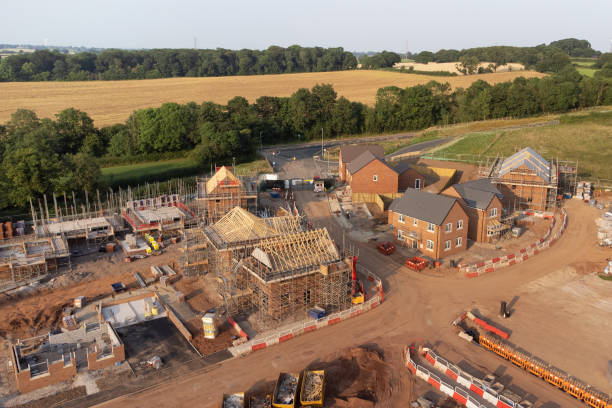
Commercial land due diligence demands a broader, highly rigorous investigation due to potential environmental liability and heavy infrastructure demands. Commercial buyers must conduct a formal Phase I Environmental Site Assessment (ESA) under ASTM E1527 standards to investigate past land uses, identify potential hazardous substance contamination, check historical industrial activities, and review nearby environmental incidents. If a Phase I ESA reveals recognized environmental conditions, a Phase II ESA involving soil borings and groundwater sampling becomes necessary. Furthermore, commercial site engineering requires detailed geotechnical soil borings to evaluate load-bearing capacity for heavy structural foundations, traffic impact studies to analyze intersection level-of-service impacts, and complex stormwater management plans designed to detain high volumes of surface runoff generated by extensive impervious parking surfaces.
Operational and Environmental Due Diligence Protocol Comparison
Executing structured technical evaluations during the contract contingency period mitigates site acquisition risk. The matrix below outlines key verification actions for residential and commercial parcels:
| Assessment Category | Residential Land Verification | Commercial Land Verification |
| Environmental Oversight | Wetland boundary mapping, flood zone checks, septic soil testing | Phase I & II ESAs, hazardous material reviews, soil load testing |
| Traffic & Site Access | Sight line verification, local driveway permit applications | Comprehensive traffic impact study, highway DOT access permits |
| Utility Infrastructure | Standard domestic utility hookup capacity and main extensions | High-capacity three-phase power, heavy commercial water/sewer access |
| Municipal Approvals | Standard building permits, minor subdivision plan approvals | Major site plan approval, public hearings, architectural board reviews |
Completing these specialized technical assessments ensures that land buyers verify site buildability and avoid unbudgeted land development costs.
Utility Infrastructure Requirements and Engineering Demands
The physical infrastructure required to support land development represents one of the largest budget items in raw land acquisition. The scale and capacity of utility connections vary dramatically between residential and commercial projects.
Residential land infrastructure is engineered for human domestic consumption and standard residential living demands. Essential utilities include single-phase low-voltage electrical service, standard domestic water connections, low-pressure natural gas lines, telecommunications infrastructure, and municipal sanitary sewer mains. In rural or low-density residential locations where municipal water and sewer lines are absent, residential parcels rely on individual private drinking water wells and on-site subsurface sewage disposal systems. Stormwater infrastructure on residential sites typically relies on natural overland drainage channels, minor roadside swales, and localized retention basins designed to handle modest impervious surface runoff from roofs and driveways.
Commercial land infrastructure requires industrial-grade utility capacities engineered for intense continuous operation. Commercial facilities demand high-voltage three-phase electrical power to run heavy machinery, commercial refrigeration units, large HVAC systems, and high-density computing servers. Water supply infrastructure must support not only commercial operational usage but also heavy fire suppression demands, requiring high-volume fire hydrants and dedicated high-pressure fire mains. Commercial wastewater connections must handle large volumetric flows and may require specialized pre-treatment units, such as grease traps for food service establishments or oil-water separators for automotive facilities. Furthermore, commercial sites feature extensive impervious parking areas and building footprints, necessitating engineered underground stormwater retention vaults, large detention ponds, and sophisticated water quality filtration systems to satisfy municipal environmental codes.
Acquisition Financing, Capital Sources, and Underwriting Criteria
Securing financing for raw land purchases requires navigating specialized institutional lending practices. Commercial lenders treat raw land as a higher-risk asset class compared to improved real estate with existing structures and cash flow, but underwriting standards differ significantly between residential and commercial land parcels.
Residential land financing for individual buyers typically involves residential land loans, unimproved lot loans, or combined construction-to-permanent loans provided by local banks, credit unions, or specialized agricultural land lenders. Institutional lenders underwrite residential lot loans based on the borrower’s personal credit score, debt-to-income ratio, liquid reserves, and the appraised fair market value of the parcel. Because raw land produces no operating income and carries holding risks, lenders enforce conservative loan-to-value (LTV) ratios. Down payment requirements for residential land loans typically range from twenty to forty percent of the purchase price, accompanied by higher interest rates and shorter loan terms than standard primary residential mortgages. Once a residential buyer secures a home construction contract with an approved homebuilder, the land loan can be refinanced into a standard residential construction loan.
Commercial land financing involves complex commercial underwriting frameworks executed by commercial banks, private equity firms, debt funds, and institutional capital groups. Lenders underwrite commercial land loans based primarily on the project’s financial feasibility, pro forma return on investment, developer track record, presale or pre-lease commitments, and debt service coverage ratios upon project completion. Commercial land loans feature conservative LTV ratios, often capped at fifty to sixty percent of the appraised raw land value. Capital providers mandate exhaustive technical due diligence, requiring approved site plans, Phase I ESAs, zoning verification, traffic studies, and detailed construction budget estimates before issuing a binding loan commitment. Due to the higher risk profile of un-entitled commercial land, developers frequently utilize equity syndications, joint venture partners, or mezzanine financing to satisfy down payment requirements.
Property Taxation, Current Use Valuation, and Operating Costs
Holding vacant land incurs recurring annual holding costs that directly impact net investment performance. Property tax structures, assessment methodologies, and tax relief programs differ substantially across residential and commercial land classes.
Residential land is assessed for property tax purposes by local municipal tax assessors based on comparable sales of nearby residential lots and prevailing residential market valuations. While unimproved residential land incurs lower tax assessments than land improved with a completed residence, annual property taxes remain a fixed carrying cost. In rural areas, large acreage residential tracts may qualify for preferential current use property tax assessment programs, such as agricultural assessment or forest land management programs. These state-level tax abatement programs allow qualifying large residential or agricultural land parcels to be assessed based on current agricultural productivity rather than fair market residential development value, reducing annual property holding taxes by up to eighty or ninety percent.
Commercial land carries significantly higher property tax assessments and operational carrying costs. Municipal tax assessors value commercial land based on highest and best use valuation principles, commercial land sales comparables, and the potential income-generating capacity of the site once developed. Because commercial parcels are frequently situated in high-density commercial districts or along major transportation arteries, their per-square-foot assessed valuations are substantially higher than residential parcels. Additionally, commercial land owners bear higher holding costs, including mandatory commercial liability insurance policies, specialized site security measures, legal fees associated with planning board representation, and continuous maintenance expenses required to keep high-visibility commercial parcels compliant with municipal property maintenance codes.
Step-by-Step Acquisition Protocol for Land Buyers
Executing a disciplined, step-by-step acquisition workflow enables land buyers to navigate municipal bylaws, technical evaluations, and legal real estate closing procedures successfully:
- Define Development Objectives and Target Land Category: Establish explicit project goals, such as constructing a primary residential home, building a residential subdivision, or developing a commercial retail center.
- Conduct Municipal Zoning and Master Plan Analysis: Inspect local zoning maps, allowable land-use tables, dimensional setback criteria, maximum lot coverage limits, and Master Plan future land-use designations.
- Draft a Purchase and Sale Agreement with Technical Contingencies: Structure the purchase contract with robust legal contingencies covering title verification, boundary survey, environmental testing, and municipal approvals.
- Execute Environmental and Technical Due Diligence: Commission required technical studies, including wetland delineations, soil perc testing, Phase I ESAs, geotechnical borings, and traffic impact analyses.
- Verify Utility Capacities and Public Access Rights: Confirm direct availability, capacity, and connection costs for public utilities, and verify legal continuous frontage along an accepted public road.
- Submit Applications for Site Plan and Municipal Entitlements: Prepare detailed engineering designs and file formal site plan applications with local Planning Boards or Zoning Boards of Adjustment.
- Finalize Acquisition Financing and Legal Title Closing: Complete institutional loan underwriting, clear title insurance commitments, resolve outstanding property tax obligations, and execute the final property conveyance.
Adhering to this structured acquisition protocol safeguards earnest money deposits and verifies site buildability prior to finalizing the purchase.
Assembling Your Specialized Technical and Legal Advisory Team
Navigating the legal, environmental, engineering, and financial complexities of acquiring raw land requires assembling a qualified team of professionals tailored to the specific land classification.
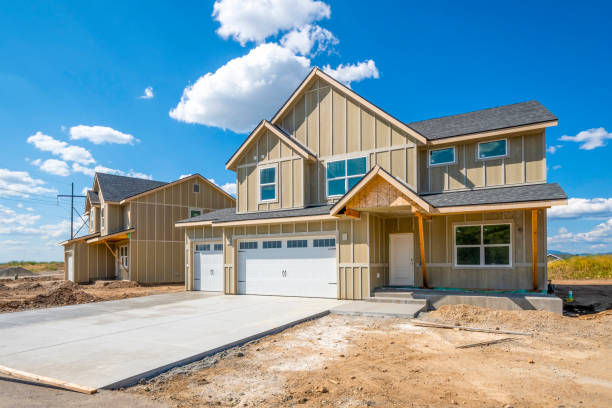
For residential land purchases, your advisory team should include a licensed real estate attorney, a professional land surveyor, a certified soil scientist or septic designer, and a civil engineer if subdividing acreage. Your real estate attorney conducts title searches, examines deed restrictions, reviews utility easements, and manages closing transactions. The land surveyor establishes physical boundary markers and verifies property acreage. A certified soil scientist performs on-site soil testing to confirm septic viability, while a civil engineer drafts lot layout plans and driveway profiles compliant with municipal rules.
For commercial land acquisitions, the advisory team expands to include specialists skilled in commercial real estate law, commercial land-use planning, environmental engineering, geotechnical engineering, and traffic consultancy. A commercial real estate attorney navigates complex zoning board representation, negotiates commercial purchase options, and structures development agreements. Environmental engineers execute Phase I and Phase II ESAs to mitigate environmental liability under federal and state statutes. Geotechnical engineers analyze subsurface load-bearing capacity for building foundations, while traffic consultants prepare traffic impact studies required for DOT highway access permits. Partnering with experienced commercial consultants ensures that complex land development projects remain compliant, financially viable, and on schedule.
Conclusion
Understanding the operational, legal, environmental, and financial distinctions between residential and commercial land is essential for making informed real estate investment decisions. Residential land offers a straightforward development pathway focused on living spaces, lifestyle amenities, and long-term community value. Commercial land provides dynamic income potential and high appreciation capacity, balanced against rigorous environmental oversight, complex municipal entitlement processes, and intensive infrastructure demands. By maintaining a disciplined due diligence methodology, verifying subsurface soil conditions, confirming utility capacities, and working alongside experienced real estate attorneys and technical engineers, land buyers can navigate both residential and commercial land acquisitions with complete confidence and achieve their long-term real estate objectives.
Frequently Asked Questions
What is the primary difference between residential and commercial land?
Residential land is restricted by municipal zoning to housing and supporting community uses, such as single-family homes or multi-family apartments. Commercial land is zoned specifically for business operations, retail trade, professional offices, hotels, and industrial activities focused on income generation.
Why is environmental due diligence more extensive for commercial land?
Commercial land carries higher potential liability for past industrial or chemical contamination. Lenders and buyers require a Phase I Environmental Site Assessment (ESA) under ASTM E1527 standards to investigate historical property uses and avoid environmental remediation liability under federal and state laws.
How do financing terms differ between residential and commercial land?
Residential land loans typically offer higher loan-to-value ratios (sixty to eighty percent) and rely on personal borrower credit and income. Commercial land loans feature conservative loan-to-value ratios (fifty to sixty percent) and are underwritten based on developer track record, presale commitments, and project cash flow potential.
Can residential land be re-zoned for commercial use?
Re-zoning residential land for commercial use requires filing a formal zoning map amendment or use variance application with the local municipal planning board or governing body. The applicant must prove at public hearings that the commercial use aligns with the local Master Plan and will not harm surrounding properties.
What utility differences exist between residential and commercial land?
Residential land requires standard single-phase electric power, domestic water lines, and standard septic or sanitary sewer service. Commercial land demands high-capacity three-phase electrical power, dedicated high-pressure fire suppression water mains, and heavy stormwater management infrastructure.