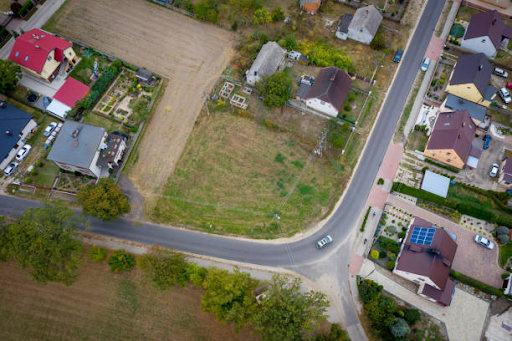
Buying vacant land requires a rigorous, methodical investigation process known as due diligence. Unlike developed residential or commercial properties that come with existing structures, utility hookups, and established boundaries, raw acreage presents a broad array of hidden physical, legal, financial, and environmental variables. A parcel of land might feature breathtaking…

Understanding local zoning regulations is one of the most critical steps in evaluating vacant land for purchase. Zoning laws govern how a piece of property can be used, what types of structures can be built on it, and the operational limitations imposed on landowners. A parcel of land might look…
Finding and selecting the ideal piece of vacant land requires aligning your long-term vision with the physical, legal, and financial realities of a specific parcel. Whether your goal is to construct a primary family home, establish a self-sufficient agricultural homestead, develop a commercial facility, or hold acreage as a long-term…
Purchasing vacant land is an exciting milestone, whether your goal is to build a custom dream home, establish a homestead, or secure a long-term real estate investment. However, buying undeveloped acreage carries fundamentally different risks than purchasing an existing residential home. With a traditional house, most critical elements, such as…
Buying vacant land offers a blank canvas to build a custom dream home, establish a homestead, or hold a tangible asset for financial appreciation. However, unlike purchasing an existing house with pre-tested plumbing and finalized municipal permits, buying raw dirt introduces unique physical and legal risks. Without asking the right…