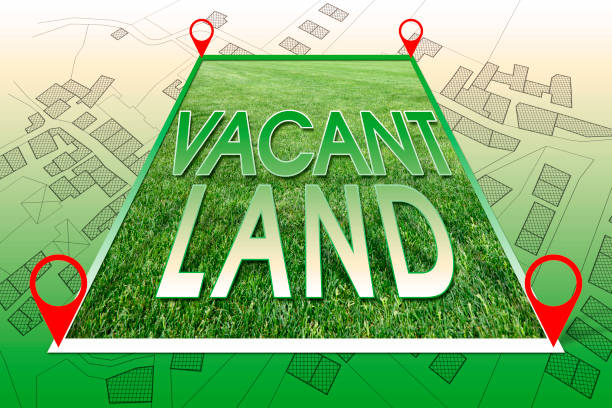
Buying vacant land requires a rigorous, methodical investigation process known as due diligence. Unlike developed residential or commercial properties that come with existing structures, utility hookups, and established boundaries, raw acreage presents a broad array of hidden physical, legal, financial, and environmental variables. A parcel of land might feature breathtaking…

Closing on a vacant land transaction is the final bridge between preliminary negotiation and official property ownership. While reaching the closing stage is an exciting milestone, it is also the absolute last opportunity to catch legal encumbrances, physical boundary errors, and unexpected financial burdens before funds are disbursed to the…
Acquiring vacant land is one of the most versatile real estate investments available, offering a blank canvas whether your goal is to build a custom primary residence, establish an off-grid homestead, or secure a long-term inflation hedge. However, navigating a land purchase requires a fundamentally different strategy than buying an…
Purchasing vacant land is an exciting milestone, whether your goal is to build a custom dream home, establish a homestead, or secure a long-term real estate investment. However, buying undeveloped acreage carries fundamentally different risks than purchasing an existing residential home. With a traditional house, most critical elements, such as…
Buying vacant land offers a blank canvas to build a custom dream home, establish a homestead, or hold a tangible asset for financial appreciation. However, unlike purchasing an existing house with pre-tested plumbing and finalized municipal permits, buying raw dirt introduces unique physical and legal risks. Without asking the right…