Investing in vacant land is often promoted as a straightforward, low-maintenance real estate strategy. Unlike developed residential or commercial properties, raw land has no roofs to repair, no foundation leaks to fix, and no tenants to manage. However, assuming that unbuilt land is a risk-free asset class is a dangerous…
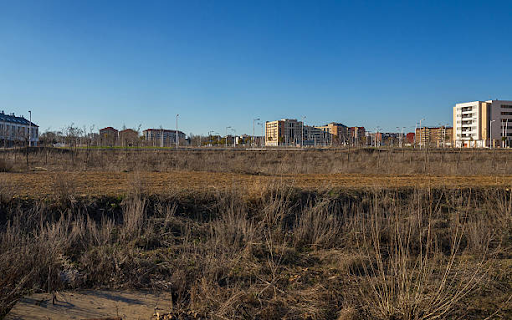
Evaluating land investment opportunities requires a methodical, multi-disciplinary approach that differs fundamentally from traditional real estate analysis. When purchasing improved assets like residential homes, office buildings, or industrial warehouses, investors rely on historical income statements, current tenant lease structures, and physical building inspections to establish asset value. Unimproved raw land…
Land banking is a time-tested real estate investment strategy that involves purchasing undeveloped acreage in strategic locations, holding the property over an extended period, and selling it at a substantial profit once surrounding growth and development drive up its value. Wealthy families, institutional real estate funds, and experienced private investors…
Building a diversified land investment portfolio is one of the most effective strategies for long-term wealth preservation, capital growth, and risk mitigation in real estate. While raw dirt lacks the physical deterioration, structural maintenance, and tenant turnover associated with developed residential or commercial buildings, unmanaged land holdings can still present…