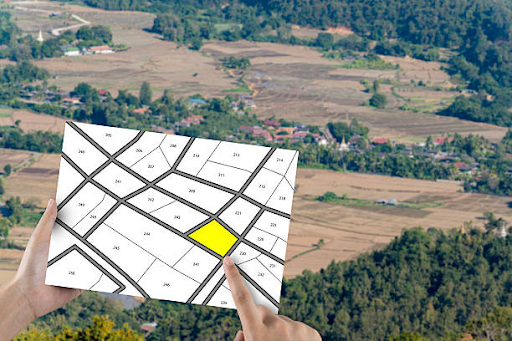
Reading and interpreting a parcel map is one of the most critical skills a real estate investor or land buyer can develop. Before spending money on physical surveys, soil percolation testing, or legal consultations, a parcel map serves as the first technical blueprint for evaluating vacant land. Issued by county…
Closing on a vacant land transaction is the final bridge between preliminary negotiation and official property ownership. While reaching the closing stage is an exciting milestone, it is also the absolute last opportunity to catch legal encumbrances, physical boundary errors, and unexpected financial burdens before funds are disbursed to the…
Finding and selecting the ideal piece of vacant land requires aligning your long-term vision with the physical, legal, and financial realities of a specific parcel. Whether your goal is to construct a primary family home, establish a self-sufficient agricultural homestead, develop a commercial facility, or hold acreage as a long-term…
Purchasing vacant land directly from a seller without a real estate agent (For Sale By Owner or FSBO) is a popular strategy for buyers looking to save money, negotiate directly, and secure off-market properties. Eliminating real estate agent commissions, which typically range from five to ten percent on raw land,…
Deciding whether to pay cash or secure financing is one of the most pivotal financial choices you will make when purchasing vacant land. Unlike buying a residential home where standard thirty-year mortgages are readily available, land acquisitions involve distinct lending environments, higher down payment requirements, and unique capital considerations. Cash…
Making an offer on vacant land is fundamentally different from placing a bid on a single-family house. With residential real estate, standard purchase agreements focus on home inspections, appraisal values, and occupancy dates. Vacant land contracts, however, must address legal access, physical site constraints, municipal zoning approvals, soil percolation suitability,…